Best Charles Dickens Books
Charles Dickens invented the social novel as we know it — dense with characters, seething with moral outrage, and somehow never less than entertaining. His prose is theatrical and relentless, piling on detail and coincidence until the world he's built feels more real than the one outside. A Tale of Two Cities operates like a machine, its dual timelines converging in one of literature's most famous final lines. Great Expectations is sharper and more personal, a bildungsroman with a bitter streak that never fully resolves. And A Christmas Carol remains the template for every redemption story written since. Dickens is also underrated as a writer of the uncanny — his ghost stories carry genuine chill. Readers who want sprawling Victorian plots, unforgettable grotesques, and writing that's simultaneously funny and devastating will find no better company.
Where to Start with Charles Dickens
- Best entry point → Dombey and son /
- Best standalone → The Charles Dickens BBC Radio Drama Collection: The Early Years
- Start the Our Mutual Friend #1-2 series → Our Mutual Friend
- What readers keep coming back to → A Tale of Two Cities (Charles Dickens Complete Works)
- Highest rated by readers → A Christmas Carol
Best Charles Dickens Books
- 1
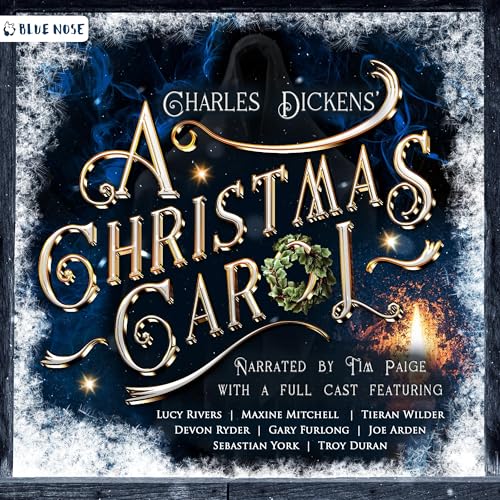
A Christmas Carol
More about this pick
Bitter miser Ebenezer Scrooge encounters three Christmas spirits who force him to confront his past, present, and future. Dickens created the template for Christmas redemption stories with this ghost tale about choosing compassion over greed.
★ 4.09 Goodreads (947.6K ratings) - 2
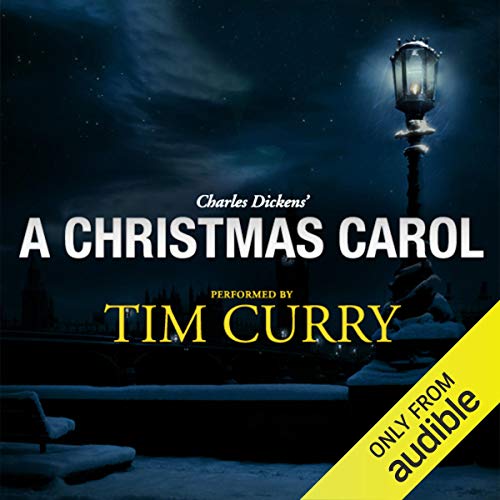
A Christmas Carol: A Signature Performance
by Charles Dickens, Tim Curry
More about this pick
Three Christmas spirits visit miserly Scrooge on Christmas Eve, showing him visions that reveal the cost of his selfishness. Dickens balances supernatural horror with heartwarming transformation in literature's most famous redemption story.
★ 4.09 Goodreads (947.2K ratings) - 3

Our Mutual Friend
Our Mutual Friend #1-2
by Charles Dickens, Richard Gaughan
More about this pick
When heir John Harmon's body surfaces in the Thames, a fortune built on London's garbage transforms lives in Dickens's sprawling final novel about money's corrupting power.
★ 4.09 Goodreads (31.6K ratings) - 4

A Tale of Two Cities (Charles Dickens Complete Works)
by Charles Dickens, John Shuckburgh, Hablot Knight Browne
★ 3.88 Goodreads (1.0M ratings) - 5

Oliver Twist
More about this pick
Oliver escapes the workhouse only to fall into Fagin's den of child thieves, where survival means learning to pick pockets in Victorian London's underworld.
★ 3.88 Goodreads (431.1K ratings) - 6

Great Expectations
More about this pick
Blacksmith's apprentice Pip inherits a fortune from an anonymous patron, transforming him into a gentleman with devastating consequences. Dickens explores how money corrupts innocence and whether true worth comes from birth or character.
★ 3.80 Goodreads (879.9K ratings) - 7

Dombey and son /
More about this pick
Dickens examines how paternal pride and commercial obsession corrupt family bonds in this sweeping portrait of Victorian society's moral contradictions.
★ 4.12 Goodreads (58 ratings) - 8

The Phantom Coach: A Connoisseur's Collection of Victorian Ghost Stories (The Connoisseur's Collections)
by Michael Sims, Elizabeth Gaskell, Amelia B. Edwards, Charles Dickens, Arthur Conan Doyle, Henry James, Robert W. Chambers, Mrs. Oliphant, W.W. Jacobs, Mary Eleanor Wilkins Freeman, Rudyard Kipling, Ambrose Bierce, W.F. Harvey
More about this pick
Victorian ghost stories possess an unmatched atmospheric darkness that modern horror rarely achieves. This collection gathers the best spectral tales from Dickens, Kipling, and other masters.
★ 3.73 Goodreads (295 ratings) - 9

Nicholas Nickleby
by Anne de Graaf, Charles Dickens
More about this pick
Dickens weaves Nicholas's journey through England's harsh boarding schools and theatrical troupes into a massive portrait of Victorian society's failures.
★ 3.91 Goodreads (34 ratings) - 10

The Charles Dickens BBC Radio Drama Collection: The Early Years
by Charles Dickens, Alex Jennings, Anna Massey, Bill Nighy, Julia McKenzie, Pam Ferris, Phil Daniels, Robert Glenister, Sandi Toksvig, Tim McInnerny
More about this pick
Seven of Dickens' most beloved novels—from the episodic adventures of Nicholas Nickleby to the poignant melodrama of The Old Curiosity Shop—showcase his mastery of character, social commentary, and storytelling.
★ 4.47 Goodreads (15 ratings) - 11
Victorian Anthologies: Christmas Spirits
by Charles Dickens, Mary Elizabeth Braddon, Hume Nisbet, John Kendrick Bangs, Amelia B. Edwards, Frank Cowper, Clara Venn, F. Anstey, Verson Lee, Natalie Chisholm, Chris Kaye, Jonathan Rhodes
More about this pick
Dickens anchors this collection of Victorian Christmas ghost tales featuring haunted abbeys, phantom coaches, and cursed manor houses from masters of the macabre.
★ 3.50 Goodreads (22 ratings) - 12

The Cricket on the Hearth
More about this pick
Dickens weaves supernatural elements into a story of marriage tested by suspicion, anchored by the symbolic cricket that watches over the hearth.
★ 3.47 Goodreads (8.8K ratings)