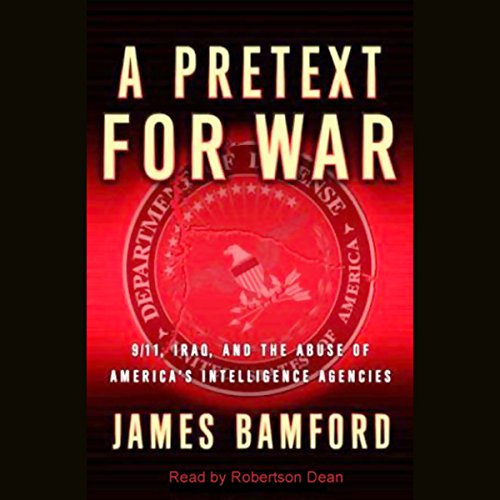
A Pretext for War: 9/11, Iraq, and the Abuse of America's Intelligence Agencies
by James Bamford
Why You'll Love This
Bamford had the sources, the access, and the receipts — and what he found about how America went to war is harder to dismiss than any conspiracy theory.
- Great if you want: insider-level reporting on intelligence failures and political manipulation
- The experience: dense and methodical — rewards readers who want evidence, not outrage
- The writing: Bamford structures revelations like a prosecutor building a case
- Skip if: you want narrative sweep — this prioritizes documentation over storytelling
About This Book
How did the most powerful intelligence apparatus in the world miss the warnings before September 11—and then turn around and manufacture the case for a war in Iraq? James Bamford, who spent decades cultivating sources deep inside America's secretive intelligence agencies, follows both failures with the tenacity of someone who understands exactly how these institutions work and where they break down. This is a book about institutional rot, political pressure, and the human cost of information weaponized for policy rather than truth.
Bamford writes with the authority of a veteran investigative journalist who has no interest in partisan theater—his indictment cuts across bureaucracies and administrations with equal rigor. What distinguishes the reading experience is the layered architecture of the narrative: classified programs, backroom decisions, and overlooked warnings are assembled into a coherent picture that feels revelatory without ever feeling sensationalized. The prose is disciplined and precise, letting the documented facts carry the weight. Readers willing to sit with its density will come away with a far sharper understanding of how intelligence failures happen—not through dramatic betrayal, but through mundane distortion and convenient omission.