Why You'll Love This
Le Guin wrote this in 1968 and it still feels like it invented something no one has quite managed to copy.
- Great if you want: myth-like fantasy where the magic has genuine philosophical weight
- The experience: measured and elemental — closer to fable than adventure novel
- The writing: Le Guin's prose is spare and ancient-feeling, every word load-bearing
- Skip if: you expect the plot momentum of modern epic fantasy
About This Book
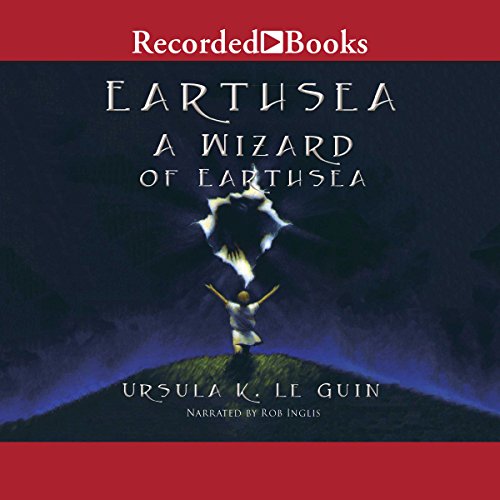
There are stories about magic, and then there are stories about what magic costs. Ursula K. Le Guin's debut Earthsea novel follows a proud, gifted boy named Ged who arrives at a school for wizards carrying more ambition than wisdom — and whose single reckless act unleashes something that will pursue him across a world of scattered islands and open sea. The danger here isn't a villain with a throne to seize. It's something darker and more intimate, the kind of threat that forces a young man to stop running and truly reckon with who he is.
Le Guin writes with a precision that feels almost mythic — clean, unhurried sentences that accumulate quiet authority the way old stories do. At 183 pages, the book moves with confidence, never overstaying its welcome or padding its world-building. What sets it apart is the sense that every detail — every island name, every rule of magic — emerges from a coherent philosophy rather than a checklist. Readers who slow down and let the prose breathe will find a story that grows richer the longer they sit with it.
This Book Features
Browse Related Lists
More by Ursula K. Le Guin

The Dispossessed: An Ambiguous Utopia
387 pages

The Left Hand of Darkness
304 pages

The Lathe of Heaven
176 pages

Worlds of Exile and Illusion: Rocannon’s World, Planet of Exile, City of Illusions
370 pages

The Word for World Is Forest
160 pages

The Telling
231 pages