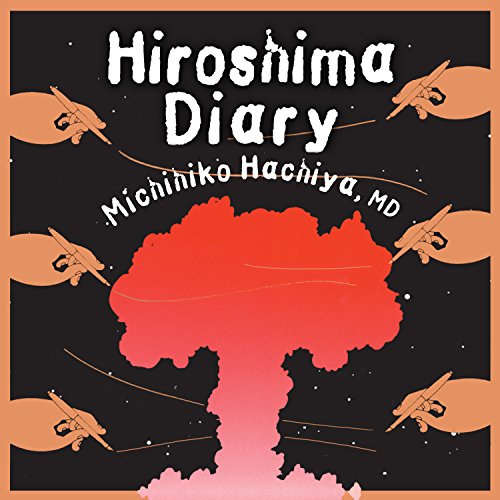
Hiroshima Diary: the Journal of a Japanese Physician August 6---september 30, 1945
by Michihiko M.D. [translated and edited by Warner Wells M.D.] Hachiya
Why You'll Love This
Written from inside the wreckage by the doctor trying to save the very city that was just erased around him, this diary makes August 6, 1945 unbearably human.
- Great if you want: an intimate ground-level witness account of historical catastrophe
- The experience: quiet, measured, and devastating — grief accumulates slowly across pages
- The writing: clinical precision and deep tenderness coexist in every entry
- Skip if: you need narrative momentum — this is daily observation, not drama
About This Book
On the morning of August 6, 1945, Dr. Michihiko Hachiya was at home in Hiroshima when the atomic bomb detonated less than a mile away. Wounded himself, he made his way to the hospital he directed and spent the next fifty-five days treating the dying, documenting the dying, and trying to make sense of a catastrophe that had no precedent in human history. This diary captures what no official report could: the texture of survival—the thirst, the confusion, the quiet grief, the strange rumors about a new kind of weapon that seemed to melt people from the inside out.
What distinguishes this account is Hachiya's voice—precise, humane, and utterly unsparing without ever becoming sensationalist. As a physician, he observes with clinical attention; as a man, he grieves openly. The day-by-day structure means readers experience the slow, accumulating weight of the disaster alongside him, rather than absorbing it all at once. Warner Wells's translation preserves the diary's intimacy, and the result is one of the most direct and morally serious first-person accounts of the twentieth century's most consequential single moment.