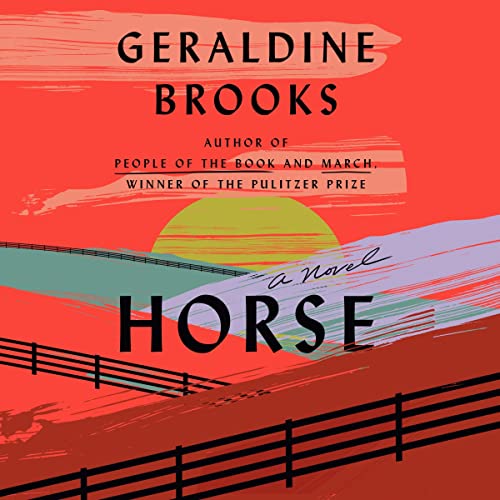
About This Book
At the center of Geraldine Brooks's novel is a real horse — Lexington, the most celebrated American racehorse of the nineteenth century — but the story that unfolds around him is about the people history forgot. An enslaved groom in antebellum Kentucky. A painter chasing fame on the eve of the Civil War. A young art historian in present-day Washington, D.C., piecing together fragments of a life erased. Brooks moves between these timelines with urgency and moral clarity, asking who gets to be remembered, who gets credit for genius, and what it costs when the answer is shaped by race and power.
Brooks is a meticulous researcher, and that rigor shows in every scene — but it never weighs the narrative down. The prose is spare and propulsive, the structure carefully engineered so that each era illuminates the others without telegraphing its connections. What makes this novel linger is how Brooks handles the silences in the historical record: she doesn't paper over them, she writes into them. The result is a book that moves fast enough to feel like a thriller and stays with you long enough to feel like something more.
