Why You'll Love This
Crichton spent half the book convincing you the dinosaurs are real — then spent the other half making you wish they weren't.
- Great if you want: a thriller that takes its science seriously and pays off
- The experience: slow build that detonates into relentless, chapter-flipping dread
- The writing: Crichton structures the novel like a systems failure — everything unravels in precise, escalating steps
- Skip if: dense technical exposition between action scenes breaks your momentum
About This Book
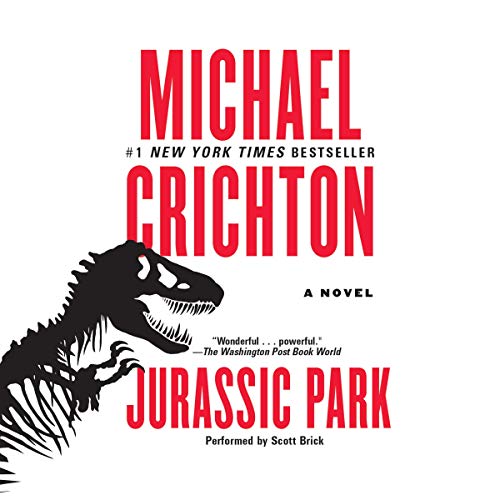
What happens when scientific ambition outpaces scientific wisdom? On a remote island off Costa Rica, a billionaire has done the impossible: brought dinosaurs back to life. The park exists as a monument to human ingenuity — and, as becomes devastatingly clear, human arrogance. Crichton doesn't just offer you dinosaurs; he offers you the vertigo of watching a grand, confident system begin to crack, and the creeping dread of realizing that the people in charge never truly understood what they were building.
What makes reading Jurassic Park so satisfying is Crichton's rare ability to make complex science genuinely exciting without dumbing it down. He weaves chaos theory, genetics, and systems thinking into the narrative itself — these aren't footnotes, they're the architecture of the thriller. The pacing is relentless but never cheap, and the ensemble cast is drawn with enough specificity that the danger feels real rather than procedural. It's a book that leaves you thinking about control, hubris, and nature long after the plot has resolved — which is exactly what the best science fiction does.


