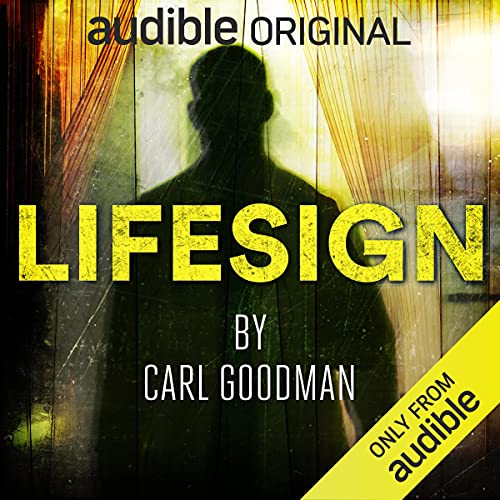
Why You'll Love This
Ninety-six containers of preserved human remains and a detective still hiding her own secrets — the crime scene is art, and the truth is worse.
- Great if you want: a psychologically complex detective with real secrets of her own
- The experience: dark and methodical, building dread across a European-spanning investigation
- The writing: Goodman blurs the line between killer obsession and detective instinct deliberately
- Skip if: you haven't read book one — Eva's backstory carries real weight here
About This Book
When a schoolboy stumbles upon 96 containers of preserved human remains inside an abandoned warehouse, Detective Inspector Eva Harris is pulled into a case that refuses to follow any familiar pattern. Is this the obsessive work of a single disturbed mind, or something far more calculated — even institutional? Harris carries her own weight into the investigation: the near-fatal encounter that still shadows her, and secrets she hasn't fully reckoned with. As the trail leads across Europe and into uncomfortable places of power and privilege, the stakes become deeply personal.
What distinguishes Lifesign is how Carl Goodman uses the procedural framework as a lens for character rather than mere plot mechanics. Harris is a detective shaped by damage, and Goodman keeps that tension alive in every scene she occupies. The European scope gives the book a cinematic stretch without losing its psychological intimacy, and the central mystery — equal parts forensic puzzle and philosophical provocation — lingers in ways that straightforward thrillers rarely manage. Readers who want crime fiction that asks harder questions about mortality, complicity, and the nature of evidence will find this a quietly unsettling second chapter.
