
Why You'll Love This
Poe hid this poem inside a horror story first — reading it alone reveals exactly how much it can carry on its own.
- Great if you want: gothic allegory where every image earns its darkness
- The experience: brief, dense, and quietly unsettling — lingers after the last line
- The writing: Poe builds dread through symmetry — the poem's structure mirrors its subject's collapse
- Skip if: you want narrative arc — this is pure atmosphere and symbol
About This Book
In a valley of green and gold, a radiant palace once stood at peace — its windows bright, its banners flying, its halls filled with music and grace. Then something changed. What was luminous grew dim; what was ordered fell to ruin. Edgar Allan Poe's "The Haunted Palace" traces that transformation with an unease that is all the more disturbing for how quietly it arrives. This is a poem about decay from within, about the moment beauty tips into corruption — and it touches something primal about how quickly the things we trust can turn against us.
What makes this poem linger long after the final stanza is Poe's absolute command of atmosphere through structure. The symmetry is deliberate — each stanza a mirror of something that once was whole — and the language moves from luminous to lurid with almost surgical control. Poe never explains the horror; he builds it through accumulated imagery and rhythm, letting the reader feel the wrongness before they can name it. Brief as it is, "The Haunted Palace" demonstrates exactly why Poe's craft rewards slow, careful reading.
This Book Features
Browse Related Lists
More by Edgar Allan Poe

The Complete Stories and Poems of Edgar Allan Poe
819 pages
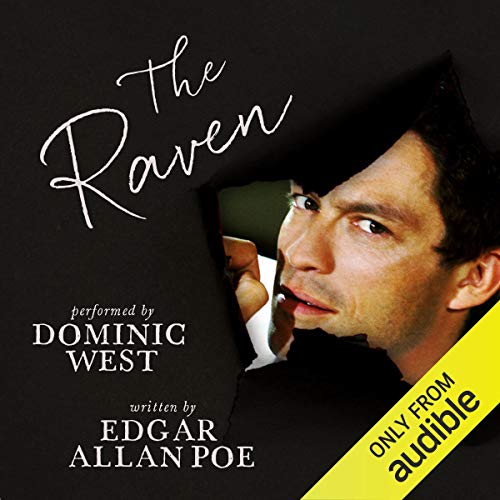
The Raven
50 pages
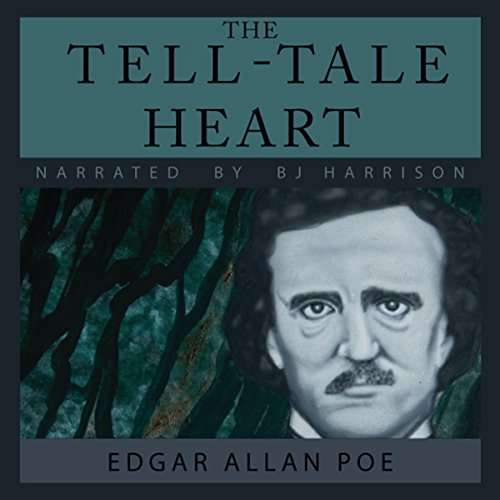
The Tell-Tale Heart and Other Writings
448 pages

The Cask of Amontillado: Edgar Allan Poe Biography
63 pages

The Masque of the Red Death : Edgar Allan Poe
9 pages

The Fall of the House of Usher: Edgar Allan Poe's Haunting Tale of Family Secrets and Tragic Decay
27 pages