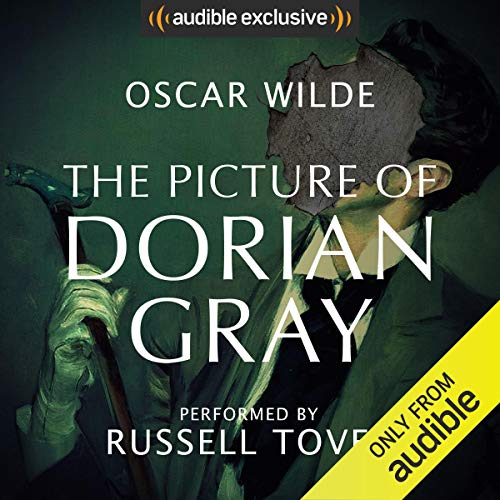
Why You'll Love This
A man sells his soul so a painting will age instead of him — and Wilde makes you understand exactly why he'd make that deal.
- Great if you want: gothic moral philosophy wrapped in Gilded Age decadence
- The experience: elegant and unsettling — builds dread beneath every witty exchange
- The writing: Wilde's epigrams are so sharp they feel like traps you walk into willingly
- Skip if: you want action — this is a novel of ideas, not plot
About This Book
What happens when beauty becomes a currency and youth feels like something worth trading your soul for? Oscar Wilde's only novel follows Dorian Gray, a young man of extraordinary looks who makes a wish he can never take back — and then spends a lifetime running from its consequences. This is a story about vanity and corruption, about the dangerous influence one person can have over another, and about what gets buried when we refuse to look at ourselves honestly. The moral stakes feel personal in a way that lingers well after the final page.
Wilde writes with a razor-sharp wit that makes even his darkest ideas go down smoothly. Every chapter crackles with epigrams and observations so quotable they feel almost weaponized. But beneath the glittering surface, the novel operates with real structural precision — each act of moral compromise lands with accumulated weight. At just over a hundred pages, it moves with the efficiency of a fable while carrying the philosophical density of something much longer. Wilde is never preaching, but he's always watching, and that controlled tension between pleasure and judgment is what makes this novel so distinctly unsettling.
