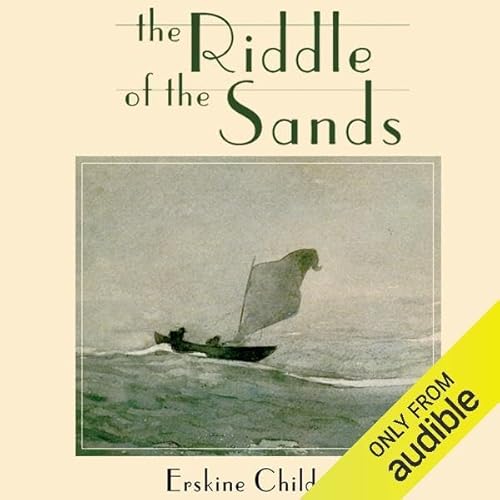
The Riddle of the Sands
The Riddle of the Sands • Book 1
by Erskine Childers
Why You'll Love This
Written in 1903, this book essentially invented the spy thriller — and it still outsmarts most of what came after it.
- Great if you want: the origins of espionage fiction, grounded in real geography and seamanship
- The experience: slow-burn and methodical — tension built through fog, tides, and suspicion
- The writing: Childers buries danger in nautical precision — the detail is the dread
- Skip if: you want action over atmosphere — this rewards patience, not impatience
About This Book
Off the coast of Germany, two Englishmen drift through the treacherous shallows of the Frisian Islands in a small sailing boat, piecing together what may be a catastrophic threat to Britain. Published in 1903, Erskine Childers's novel turns a fog-shrouded yachting holiday into something far more urgent — a race to expose a secret before it's too late. The tension here is quiet and cumulative, built not on gunfights but on suspicion, loyalty, and the creeping sense that the landscape itself is hiding something.
What makes this book remarkable is how thoroughly it earns its stakes through patience and precision. Childers writes the North Sea with genuine authority — the tides, the weather, the navigation — and that specificity does more for the atmosphere than any amount of manufactured drama could. The prose is measured and observational, filtered through a narrator who begins as a reluctant passenger and gradually becomes something else entirely. It's a novel that rewards attentive reading, the kind where the detail you nearly skimmed past turns out to matter enormously.