
Why You'll Love This
Herbert takes everything Paul Atreides won in Dune and methodically dismantles it — power, prophecy, and the myth of the chosen one.
- Great if you want: a deconstruction of heroism, empire, and religious mythology
- The experience: slow, dense, and cerebral — more tragedy than adventure
- The writing: Herbert's layered interiority rewards re-reading; every line carries subtext
- Skip if: you want the scope and momentum of the first Dune
About This Book
Twelve years after the fall of Arrakis, Paul Atreides sits on the Imperial throne—and the view from the top is nothing like the triumph it appeared to be. Dune Messiah examines what happens after the hero wins: the holy war fought in his name, the devotion he never asked for, the power that binds as much as it elevates. Herbert turns the familiar hero's journey inside out, forcing both Paul and the reader to reckon with the cost of becoming a legend. The stakes here aren't military or political so much as deeply human—about fate, agency, and whether a man can outrun the myth that has consumed him.
Where Dune sprawled across desert warfare and dynastic intrigue, Dune Messiah is lean, almost surgical—a novel of councils, whispers, and loaded silences. Herbert's prose grows more compressed and precise, trusting readers to feel the weight beneath restrained dialogue and shifting allegiances. The book operates like a slow-burning tragedy, its tension built from what characters know but cannot say. It rewards careful, unhurried reading, the kind where you pause to consider what a single exchange actually meant.
This Book Features
Browse Related Lists
More in Dune

Dune
Book 1
658 pages

Children of Dune
Book 3
609 pages

God Emperor of Dune
Book 4
587 pages

Heretics of Dune
Book 5
669 pages
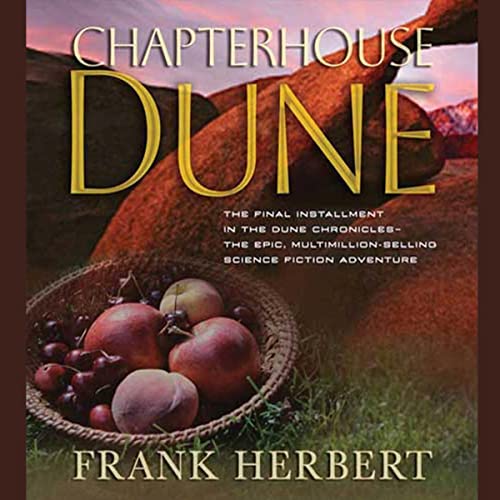
Chapterhouse: Dune
Book 6
609 pages

Hunters of Dune
Book 7
524 pages

Sandworms of Dune
Book 8
494 pages

The Road to Dune
426 pages
More by Frank Herbert

Frank Herbert 6-book Collection: The Book of Frank Herbert; The Worlds of Frank Herbert; The Santaroga Barrier; Direct Descent; The Eyes of Heisenberg; Destination:Void

The White Plague
502 pages

Hellstrom's Hive
336 pages

Whipping Star
192 pages

Destination: Void
276 pages

The Godmakers
176 pages