Why You'll Love This
Death narrates this story — and that single choice turns a Holocaust novel into something unlike anything else you've read.
- Great if you want: literary WWII fiction that centers ordinary lives, not battles
- The experience: slow and tender, then devastating — grief arrives without warning
- The writing: Zusak writes in fragments and asides; Death interrupts itself to tell you what's coming
- Skip if: an omniscient, digressive narrator breaks your immersion
About This Book
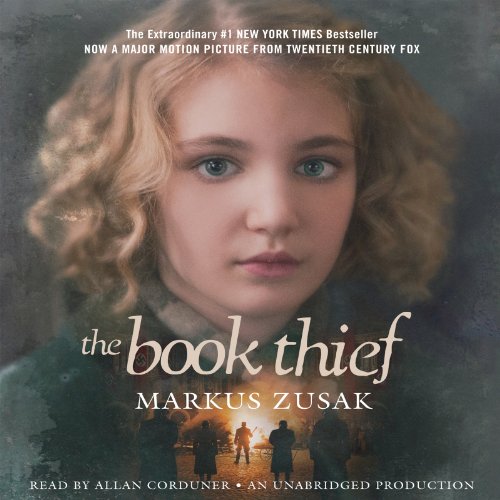
Set in Nazi Germany during the Second World War, The Book Thief follows Liesel Meminger, a young girl sent to live with foster parents on a humble Munich street while the world around her fractures and burns. What unfolds is a story about the stubborn power of words — how they can wound, sustain, and quietly save a life — told against a backdrop of loss that never lets you forget how precarious every ordinary moment really is. Zusak doesn't traffic in easy sentiment; the emotional weight here is earned, and it hits harder for it.
What makes this book genuinely unusual is its narrator: Death itself, bone-tired and unexpectedly tender, observing humanity from the margins with something close to bewilderment. That structural choice transforms the reading experience entirely. Zusak's prose moves in short, declarative bursts punctuated by sudden, almost brutal observations — a rhythm that feels invented specifically for this story. The writing is spare but not cold, poetic without being precious. It's the kind of novel where you slow down not because it's difficult, but because certain sentences deserve to be read twice.