
Why You'll Love This
Dick treats schizophrenia not as illness but as a possible crack in the fabric of time itself — and that reframing quietly breaks everything.
- Great if you want: literary sci-fi that makes reality feel genuinely unstable
- The experience: slow and unsettling — dread builds through mundane colonial life
- The writing: Dick fractures the same scene across multiple perspectives, warping your grip on what's real
- Skip if: you want plot-driven sci-fi — this is philosophical and deliberately disorienting
About This Book
On a dusty, struggling Martian colony where water is currency and ambition runs just as scarce, a boy with schizophrenia becomes the most valuable person on the planet. The powerful men who want to exploit him believe his fractured mind touches something the rest of us can't reach — the future itself. Philip K. Dick uses this premise not as a thriller setup but as a genuine inquiry: into what it means to perceive reality differently, into who gets to define sanity, and into how ordinary human hungers — for land, status, love, escape — persist even when Earth is a distant memory.
What makes this novel distinctive is how Dick weaponizes structure itself. The same stretch of time gets replayed through different consciousnesses, each pass revealing new distortions, new grief. The prose is plain and unpretentious, almost domestic, which makes the moments of psychological rupture hit harder. Dick isn't interested in spectacle — he's interested in interiority, in the texture of a mind coming apart or holding together. Readers willing to sit with that discomfort will find something rare: science fiction that treats mental illness with real philosophical seriousness.
This Book Features
Browse Related Lists
More by Philip K. Dick
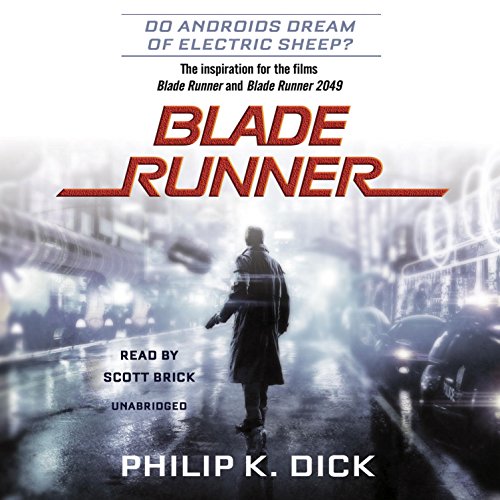
Do Androids Dream of Electric Sheep?
258 pages

Ubik
288 pages

The Minority Report and Other Classic Stories
380 pages

The Penultimate Truth
191 pages

The Man in the High Castle
259 pages

The Game-Players of Titan
223 pages