
Why You'll Love This
Dick imagines America losing World War II — then buries a second, stranger question inside it: what if even that reality isn't real?
- Great if you want: philosophical sci-fi that lingers long after the last page
- The experience: slow, unsettling, and dreamlike — more meditation than thriller
- The writing: Dick fragments perspective across characters, creating dread through disconnection
- Skip if: you want a propulsive plot — this is ideas-first, action-last
About This Book
Imagine waking up in 1962 America — but one where the Allies lost World War II, the continent is divided between Nazi Germany and Imperial Japan, and the quiet terror of occupation has become ordinary life. Philip K. Dick doesn't just ask "what if the wrong side won?" He asks something far more unsettling: how do people find meaning, identity, and moral footing when the world they inhabit is built on catastrophe? The characters here — a antique dealer, a jewelry designer, a Japanese trade official — are navigating not just an alternate history but questions about authenticity and reality that cut surprisingly close to the present.
What makes this novel genuinely strange and rewarding is how Dick layers reality upon reality — a novel within the novel, the I Ching as a plot device, philosophical unease threaded through ordinary scenes. His prose is deceptively plain, almost fragmented, which mirrors the fractured world his characters inhabit. This isn't alternate history used for spectacle; it's used as a lens. Dick trusts readers to sit with ambiguity, and that trust — extended across every unsettling page — is exactly what makes this book linger long after you've closed it.
This Book Features
Browse Related Lists
More by Philip K. Dick
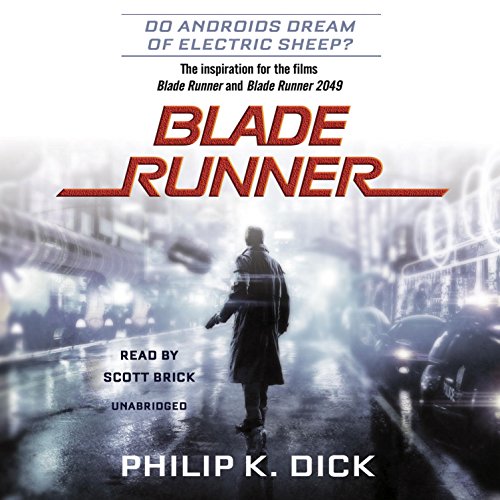
Do Androids Dream of Electric Sheep?
258 pages

Ubik
288 pages

The Minority Report and Other Classic Stories
380 pages

Martian Time-Slip
262 pages

The Penultimate Truth
191 pages

The Game-Players of Titan
223 pages